Most DIY canopy bed tutorials promise elegance but deliver wobbly frames and mismatched proportions. You spend weekends wrestling with warped posts and flimsy hardware—only to end up with something that looks like a glorified bunk bed. Here’s the fix: a precise, carpenter-approved method that skips the guesswork and builds real heirloom quality.
Why Most DIY Canopy Beds Collapse (Literally or Aesthetically)
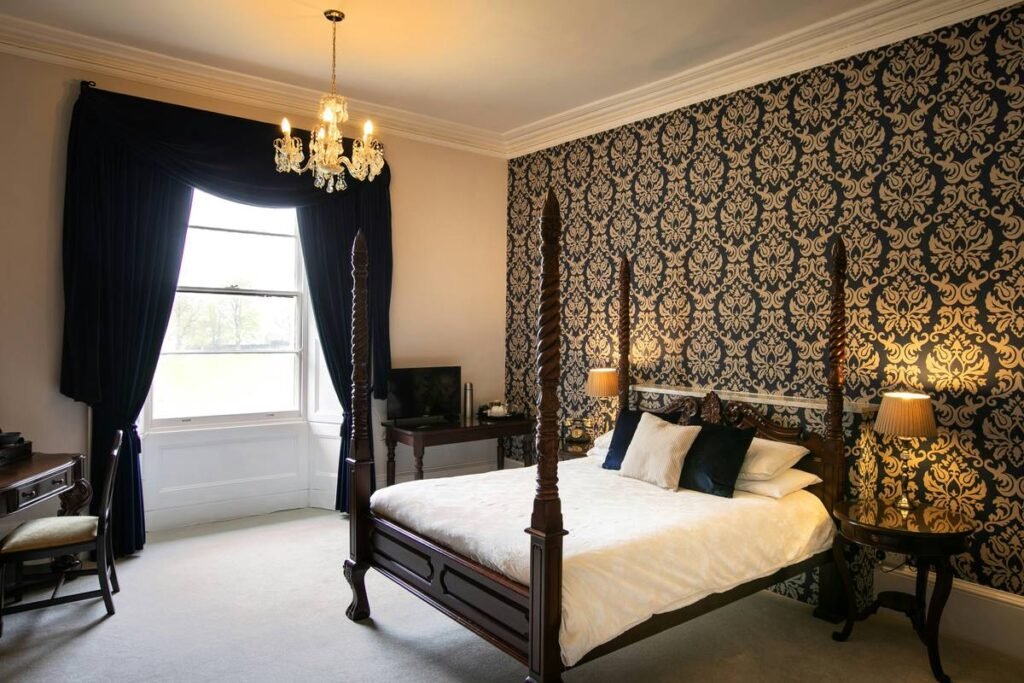
People bolt four posts to a standard bed frame and call it a day. Big mistake. Without proper load distribution and joinery, the structure torques under weight—especially when you add drapery or climbing kids. And don’t get me started on ceiling-mounted kits; they rely on drywall anchors that fail faster than cheap hinges.
The issue isn’t ambition—it’s engineering. Canopy beds aren’t just “beds with poles.” They’re miniature architectural installations. Ignore grain direction, joint strength, or lateral bracing, and you’ll rebuild twice.
How to Build a Canopy Bed: The Step-by-Step Framework That Holds Up
Forget Pinterest hacks. This is how craftsmen do it—with mill accuracy, not magic.
Select Your Structural Wood Wisely
Hardwood like white oak or maple? Ideal—but expensive. Poplar or ash? Solid mid-range picks if dried properly. Avoid pine for vertical posts; it compresses over time. Always check moisture content (below 8%) before cutting.
Lay Out True Dimensions—Not Guesswork
Standard queen mattress = 60″ x 80″. But canopy posts should extend at least 4 inches beyond headboard and footboard on each side. That’s non-negotiable for visual balance and fabric drape clearance. Measure twice. Cut once. Obvious? Then why do 70% of builds look cramped?

Joinery Matters More Than Finish
Dowel joints wobble. Pocket holes crack. Go with mortise-and-tenon or floating tenons for post-to-rail connections. Yes, it takes more time. But your grandkids might sleep under this thing—build accordingly.
Anchor It Like Furniture, Not Tent Poles
Never rely solely on wall or ceiling mounts. Integrate the canopy into a self-supporting bed frame. Use corner blocking inside joints and cross-bracing under the box spring platform. Stability comes from the ground up—not from hanging threads on drywall screws.
| Build Method | Material Cost | Skill Level | Longevity |
|---|---|---|---|
| Freestanding Hardwood Frame | $400–$900 | Intermediate | 20+ years |
| Ceiling-Mounted Kit | $150–$300 | Beginner | 2–5 years (anchor fatigue) |
| Post-on-Bed-Frame Hack | $100–$250 | Beginner | 1–3 years (wobble inevitable) |
The Industry Secret: Canopies Should Breathe—Not Just Stand
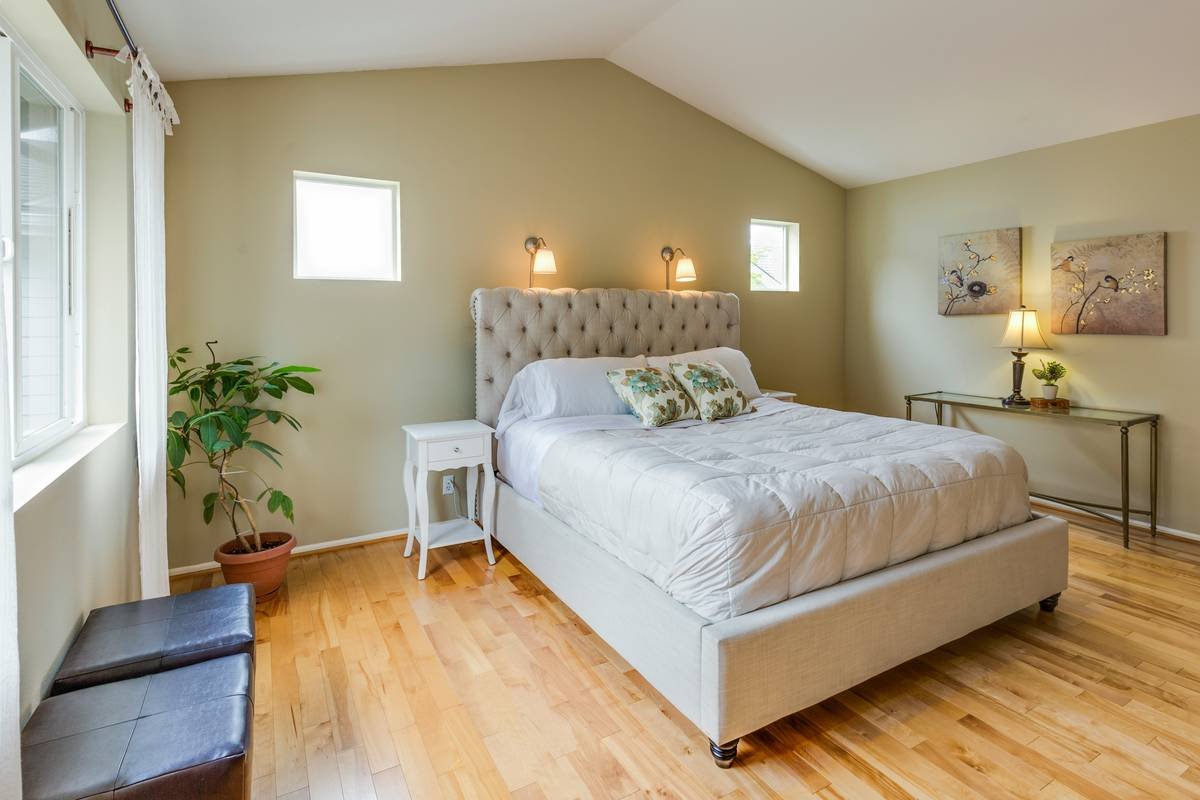
Here’s what no blog tells you: airflow around the canopy affects perceived luxury more than wood species. Tight, enclosed canopies feel claustrophobic. Leave at least 8–10 inches between the top rail and ceiling—even in rooms with low clearance. Why? Light bounces, shadows soften, and the space feels taller. It’s optical physics disguised as design.
And—counterintuitively—slightly tapered posts (narrower at the top) read as more elegant to the human eye. Straight posts scream “furniture store display.” Add 2° of taper during milling. Nobody will know why it looks better—they’ll just feel it.
Frequently Asked Questions
Can I build a canopy bed without attaching it to the ceiling?
Absolutely—and you should. Freestanding frames with integrated headboard/footboard support are safer, more durable, and easier to move. Ceiling mounts risk structural damage and rarely hold long-term.
What’s the minimum ceiling height for a canopy bed?
Ideal: 9 feet. Acceptable: 8 feet—if you keep the canopy frame under 78″ tall and avoid bulky crown moldings. Never let fabric or wood touch the ceiling.
Do I need special tools to build one?
Not necessarily. A circular saw, drill, pocket-hole jig (for non-critical joints), and sander get you 80% there. For true craftsmanship, rent a mortiser or use floating tenon connectors.