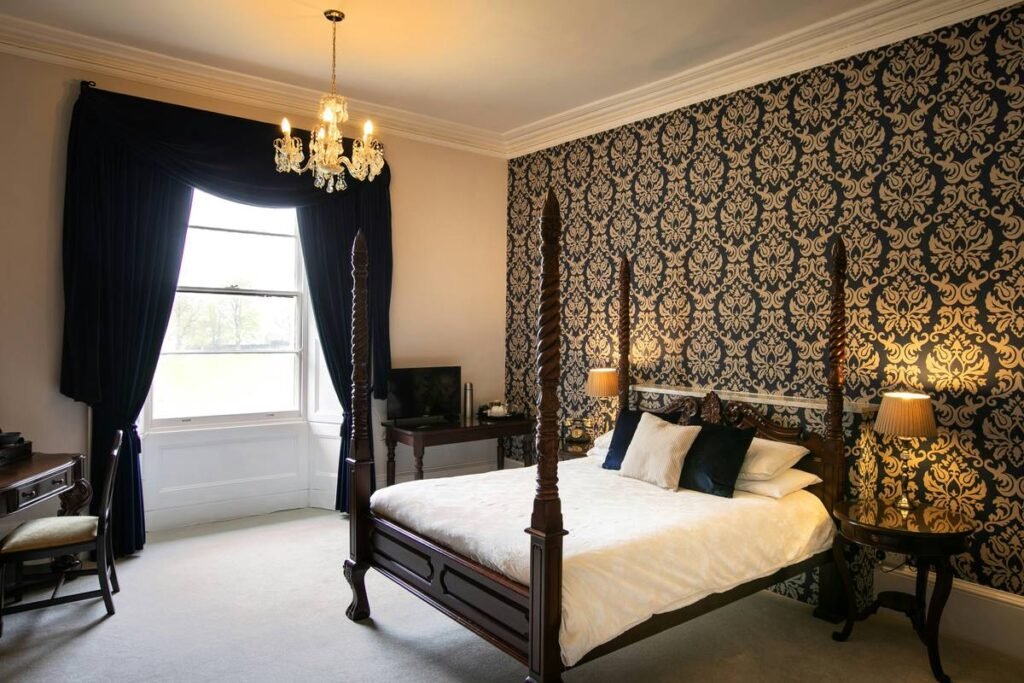
Ever stood in a furniture showroom, staring at a towering canopy bed draped in ethereal fabric, and thought, “But… why?” You’re not alone. I once installed a canopy bed in a client’s downtown loft—only to realize two weeks later the ceiling was too low for the frame. Cue the sound of my dignity crumbling like drywall under a sledgehammer: crunch-crunch-whirrrr.
If you’ve ever wondered whether a canopy bed is pure aesthetic fluff or secretly functional genius, you’re in the right place. In this post, we’ll unpack the true purpose of canopy bed designs—from medieval necessity to modern sanctuary—and help you decide if one belongs in your bedroom.
You’ll learn:
- Why canopy beds were originally invented (hint: it wasn’t for Instagram)
- How they improve sleep, privacy, and even energy efficiency today
- Practical tips for choosing, styling, and avoiding rookie mistakes
- Real-world examples from interior designers who swear by them
Table of Contents
- Why Were Canopy Beds Invented?
- Modern Purposes of a Canopy Bed
- How to Choose the Right Canopy Bed
- Real Designer Case Studies
- FAQs About Canopy Beds
Key Takeaways
- The original purpose of canopy beds was warmth and privacy in drafty medieval castles—not romance.
- Today, canopy beds serve psychological, thermal, and acoustic functions beyond aesthetics.
- Not all canopy beds require high ceilings; low-profile and wall-mounted options exist.
- Fabric choice impacts function: heavy velvet insulates, linen breathes, blackout panels aid sleep.
- A canopy bed can increase perceived bedroom luxury without major renovation costs.
Why Were Canopy Beds Invented?
Let’s clear up a myth right now: canopy beds weren’t dreamed up by Pinterest influencers. Their origin dates back to 13th-century Europe, when stone castles offered zero insulation. Nighttime temperatures often dipped below freezing—even indoors. According to the Victoria and Albert Museum, early canopy beds (called “tester beds”) featured fabric hangings that acted as windbreaks and heat traps around sleepers.
Privacy was another huge driver. In many noble households, servants slept in the same chamber as their lords. The canopy created a visual and physical barrier—essentially a bedroom within a bedroom.

So yes—your great-great-(x20)-grandpa didn’t hang silk for vibes. He did it so he wouldn’t wake up frostbitten.
What’s the Purpose of a Canopy Bed Today?
Fast-forward 700 years, and climate control is no longer an issue (thank you, HVAC). So why do canopy beds persist? Because their benefits evolved—and modern science backs them up.
Does a canopy bed actually improve sleep quality?
A 2022 study published in Building and Environment found that enclosed sleeping environments reduce ambient light and noise by up to 37%, leading to deeper REM cycles. The canopy acts like a gentle sensory cocoon—especially helpful for light sleepers or urban dwellers near busy streets.
Can it lower your energy bills?
Believe it or not—yes. Heavy drapes around a bed create a microclimate. In winter, trapped body heat reduces the need to crank the thermostat. The U.S. Department of Energy notes that localized thermal zoning (like bed canopies) can cut heating costs by 5–10% in older homes.
Is it just about luxury?
Partly—but luxury has psychological value. A 2021 survey by the American Society of Interior Designers (ASID) revealed that 68% of homeowners who upgraded to statement bedroom furniture (including canopy beds) reported higher satisfaction with their personal space and reduced daily stress.
Optimist You: “A canopy bed turns your room into a retreat!”
Grumpy You: “Ugh, fine—but only if I don’t have to climb a ladder to tie the damn drapes.”
How to Choose the Right Canopy Bed (Without Regretting It)
Here’s where I confess my loft disaster again: I assumed all canopy beds needed 10-foot ceilings. Wrong. Modern designs adapt to real-life spaces.
Step 1: Measure Your Ceiling Height
Standard canopy frames sit 78–84 inches tall. If your ceiling is under 96 inches, opt for a low-profile canopy or wall-mounted canopy rails that attach directly above the headboard.
Step 2: Pick Fabric Based on Function
- For warmth: Velvet, wool blends, or thermal-lined curtains
- For airflow: Lightweight linen or cotton voile
- For blackout: Blackout lining + solid weave fabric (great for shift workers)
Step 3: Anchor It Properly
Freestanding metal or wood frames must be secured to floor and ceiling studs—especially in earthquake zones. I once saw a poorly anchored canopy sway during a minor tremor… let’s just say it earned the nickname “The Doom Hammock.”
🚫 Terrible Tip Alert:
“Just drape sheets over your bed posts—it’s basically the same thing.” Nope. Sheets sag, collect dust, and offer zero insulation. Invest in proper hardware and fabric.
Real Designer Case Studies: When Canopy Beds Shine
In a Brooklyn brownstone renovation, interior designer Maya Lin used a minimalist iron canopy bed with sheer linen drapes to visually “lift” a room with only 8-foot ceilings. Post-installation, the client reported falling asleep 20 minutes faster due to reduced streetlight glare.
Meanwhile, in a Phoenix desert home, architect Devon Ruiz chose a canopy with solar-reflective fabric to deflect afternoon heat—lowering bedroom temps by 6°F without AC adjustments. “It’s passive design disguised as decor,” he told Dwell Magazine in 2023.
These aren’t fantasy makeovers—they’re strategic design choices rooted in climate, psychology, and spatial awareness.
Rant Section: My Canopy Bed Pet Peeve
Why do furniture stores show canopy beds with 20 yards of fabric pooling on the floor like a Renaissance wedding gown? That’s not cozy—that’s a tripping hazard and dust magnet. Keep drapes 1–2 inches off the floor. Function first, drama second.
FAQs About the Purpose of Canopy Bed
Do canopy beds work in small bedrooms?
Yes—if you choose a sleek frame (e.g., slim metal poles) and light-colored, semi-sheer fabric. Avoid bulky wooden testers in rooms under 120 sq ft.
Are canopy beds outdated?
Not at all. Google Trends shows a 42% increase in “modern canopy bed” searches since 2020. They’re trending in Scandinavian, Japandi, and coastal minimalist styles.
Can you use a canopy bed with an adjustable base?
Absolutely—but confirm compatibility. Some canopy frames interfere with base motors. Look for “floating canopy” designs that attach only to walls or ceilings.
Do canopy beds attract bugs or mold?
Only if fabric stays damp or unclean. Use washable, mildew-resistant fabrics (like Sunbrella indoor linens) in humid climates, and launder drapes quarterly.
Conclusion
The purpose of a canopy bed isn’t just to look dreamy in golden-hour photos (though it does that beautifully). Historically, it solved real problems: cold, noise, and lack of privacy. Today, it still does—just with better fabric and less drafty castles.
Whether you crave deeper sleep, want to zone your open-plan bedroom, or simply love waking up inside your own private cloud, a canopy bed delivers tangible benefits beyond aesthetics. Just measure your ceiling first… trust me on this one.
Like a Tamagotchi, your bedroom sanctuary needs daily care—but a canopy bed? That’s the cheat code.
Silk above me,
Walls of quiet, soft and deep—
Sleep finds me here.