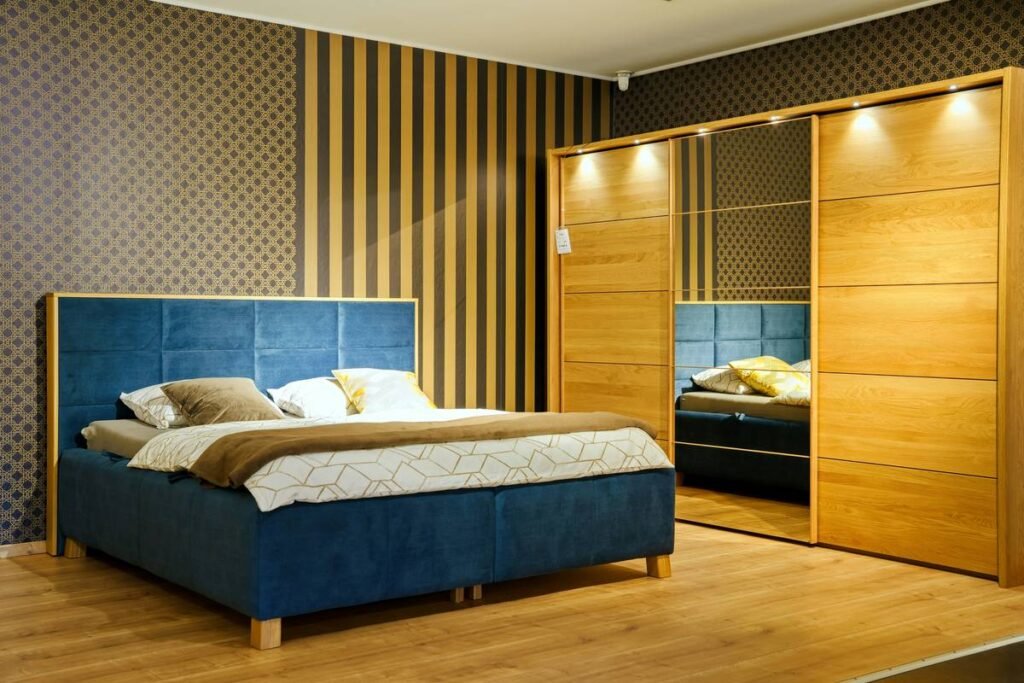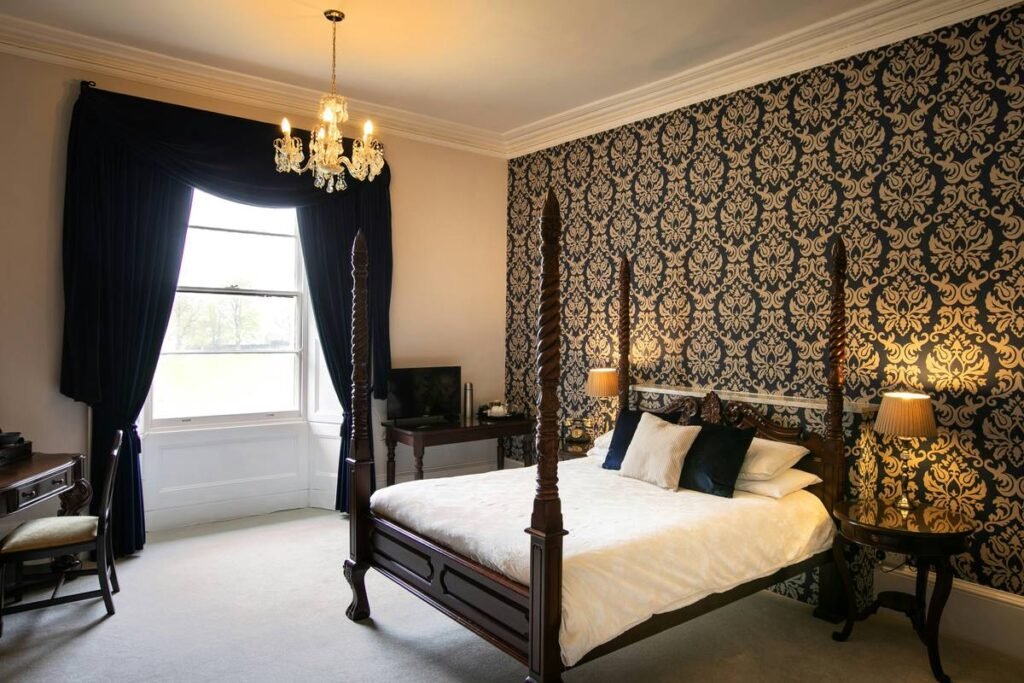
Most homeowners dream of a grand canopy bed—but balk at the $3,000+ price tags from high-end furniture brands. And off-the-shelf options? Flimsy frames, generic designs, and zero customization. Here’s the kicker: you can build a solid-wood canopy bed yourself that outlasts store-bought versions—without hiring a carpenter or emptying your savings.
Why Most Canopy Bed DIY Projects End in Frustration (Or Collapse)
It’s not about effort. It’s about physics—and poor planning. Too many tutorials skip structural integrity for aesthetics. They bolt posts to thin headboards or use decorative brackets that can’t handle lateral stress. Result? Wobble, sagging, or worse—catastrophic failure when someone leans against it. Real canopy beds aren’t just four poles with fabric; they’re load-bearing systems. Ignore joinery, grain direction, or wood moisture content, and you’ve built a hazard—not heirloom furniture.
Canopy Wood Beds DIY: A Builder’s Blueprint That Actually Works
Forget Pinterest fluff. This method prioritizes rigidity, longevity, and elegance—with tools most serious DIYers already own.
Selecting the Right Wood (And Why “Hardwood” Isn’t Enough)
Oak? Maple? Poplar? Not all hardwoods behave the same. For vertical posts, you need straight-grained, kiln-dried stock with ≤8% moisture. Avoid construction-grade lumber—it warps. And never use MDF or plywood for structural members. Real luxury starts with real material honesty.
Joinery That Won’t Fail Under Pressure
Ditch pocket screws for critical joints. Use mortise-and-tenon or bed bolts at post-to-rail connections. These distribute weight evenly and resist twisting. Yes, it takes more time. But one properly cut tenon beats ten decorative brackets when gravity tests your handiwork.
Finishing for Durability—Not Just Shine
A glossy polyurethane coat looks pretty until it chips on the first bump. Instead, use a penetrating oil like tung or Danish oil. It soaks into the grain, won’t peel, and ages gracefully. Sand between coats—but stop at 220 grit. Over-sanding creates a slick surface that repels finish.
| Approach | Material Cost | Time Required | Structural Integrity | Longevity |
|---|---|---|---|---|
| Pre-cut Kit (Online) | $600–$1,200 | 8–12 hrs | Moderate (depends on hardware) | 5–10 years |
| Full DIY (Sourced Lumber) | $350–$700 | 30–50 hrs | High (with proper joinery) | 25+ years |
| Retail Luxury Bed | $2,500–$6,000+ | 0 hrs (but delivery hassle) | Variable (often veneer over particleboard) | 7–15 years |
The Industry Secret: “Floating” Canopies Aren’t Just for Show
Top-tier furniture makers often detach the canopy frame from the bed rails entirely—anchoring it to ceiling joists instead. Why? Two reasons: First, it eliminates lateral stress on the bed structure. Second, it allows for dramatic height without bulky posts. You don’t need a vaulted ceiling—just access to attic space or a stud finder. Mount a 2×4 ledger to two joists, drop threaded rods through the canopy corners, and tension them with turnbuckles. The result? A bed that appears suspended—a visual trick that screams custom craftsmanship. And no, you won’t find this in mainstream DIY guides. They assume you’re scared of your ceiling. Don’t be.

Frequently Asked Questions
Can I build a canopy wood bed with basic tools?
Yes—if you have a circular saw, drill, sander, and clamps. But for clean joinery, a router or table saw helps immensely. Rent what you lack; it’s cheaper than replacing warped wood.
What’s the cheapest wood that still looks luxurious?
Poplar. Often painted, but with a warm oil finish, it mimics cherry at half the cost. Just avoid direct sunlight—it fades faster than dense hardwoods.
Do canopy beds make a room feel smaller?
Only if they’re visually heavy. Use slender posts (3.5″ max), keep finishes light, and leave the canopy open at the sides. Height draws eyes upward—making ceilings feel taller, not rooms tighter.